
Each manufacturer leads their own cultivation (production), and distribution of medical cannabis in Minnesota (1). The researchers obtained a waiver of consent due to minimal risks to the study participants including the use of limited coded data. This study was conducted in accordance with the ethical principles outlined in the Declaration of Helsinki and was approved by the University of Wisconsin Health Sciences Institutional Review Board (UW IRB).
Additionally, studies should evaluate whether different cancer types and stages experience differences in reported benefits from cannabis use for disturbed sleep. Future studies should also collect data on previous cannabis use prior to medical cannabis program enrollment to determine whether habituation or tolerance occurs with continued use of cannabinoids for sleep. Promisingly (a randomized trial of adults experiencing sleep disturbance found that chronic use of a low dose of CBD was safe and may improve sleep quality), but these effects do not surpass those of 5 mg melatonin .
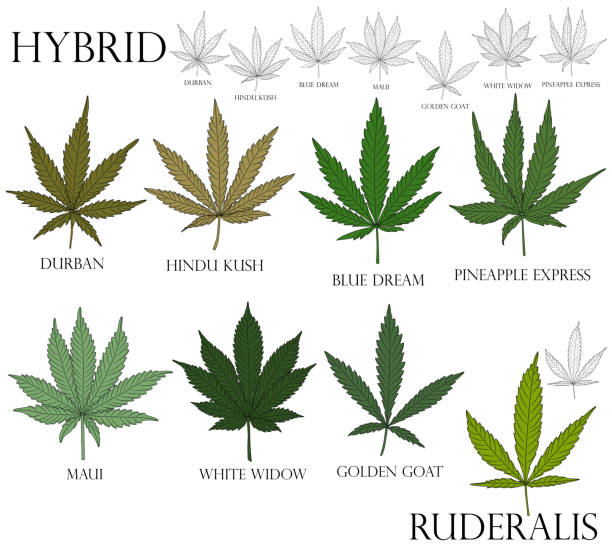
The cannabinoid THC is responsible for the most widely recognized cannabis effect—getting high. The overall observed alleviation of insomnia underscores cannabis’s promise as a therapeutic option for sleep disorders. According to the study’s findings — patients who take medicinal cannabis for insomnia experience a marked decrease in symptoms. Nevertheless, our data concur with earlier research indicating that indica and hybrid varieties rank among the most commonly chosen strains for treating insomnia.
Although evidence is still limited — research indicates that CBD may have anti-anxiety properties. Research is limited but cannabis may affect your sleep cycle by reducing your time spent in REM sleep. The authors report no conflicts of interest.

All authors have seen and approved the manuscript. Obviously, there’s a problem with potential subject bias in these two case reports. In contrast — two case reports reported significant subjective improvements in 18 patients with restless leg syndrome and self-initiated cannabis use.
Recent findings
We also extend gratitude to Jen Merems — PhD, of the UW Institute for Clinical and Translational Research (ICTR), for providing editorial support on this paper. We thank David Rak, MPH, of the Minnesota Office of Cannabis Management, for helping review the manuscript’s initial drafts. Requests for the data underpinning this study’s conclusions can be directed to the corresponding author. Clinicians may leverage these results to more effectively counsel patients on the possible advantages of cannabinoids for sleep problems.
Latest Discoveries
Additionally, the animal studies used animal models that were not directly comparable. Age of cannabis use onset and overall cumulative exposure automation trends in cannabis cultivation to cannabis also likely affect sleep and cognitive functioning. Moreover, the effects on cognitive function and activity were often dependent on CRs. The cognitive domains assessed in these studies varied; therefore, the relationship between sleep cycle, cognitive function and ECBs is unclear.
Effect of Cannabinoids on Sleep and Sleep Architecture
Sleep continues to be cited as a common reason people use medical cannabis, with surveys reporting that up to 50% of patients reporting medical cannabis use indicate insomnia as a reason for use. The medical use of cannabis products is further complicated by the fact that over 80% of people who report using cannabis for medical purposes also use it recreationally. While case reports indicate possible improvements in RLS, randomized trials are currently lacking. Further (the use of cannabis products for OSA is complicated by the fact that cannabis can cause daytime sedation/grogginess and also impair driving), substantially limiting its clinical utility.
Benefits and side effects of cannabis versus other sleep aids
Our findings underscore a significant gap between the widespread public perception of cannabis for sleep and the complex scientific reality. But overall — our findings suggest cannabinoids may acutely influence sleep, primarily by suppressing REM sleep, without noticeable next-day impairment. To find out more — our research team conducted a small pilot study involving 20 people. But there’s a dearth of high-quality research on how medicinal cannabis products actually affect sleep. Vaporized D-limonene selectively mitigates the acute anxiogenic effects of Δ9-tetrahydrocannabinol in healthy adults who intermittently use cannabis. Scientific reports, 7(1), 11420.
Notably — many cannabis users who suddenly cut back or cease consumption report insomnia symptoms (87). This scoping review summarizes key participant traits (methodological designs), and primary outcomes of studies examining cannabis’s impact on sleep among individuals with chronic pain. We conducted a qualitative scoping review of literature investigating cannabis’s effects on sleep and related disorders. The majority of distinctions drawn between sativa and indica strains stem from users’ subjective reports. Imposing a 120‑day cutoff averted incorrectly linking symptom score changes to cannabis products or consumption.

There were no significant differences in performance on other tasks related to verbal memory (working memory), attention inhibition, speed, and reading. Notably, the ABCD study, an ongoing prospective study following 11,875 youth from ages 9-10 onward, also assessed cognitive function in a subsample , ∼1,200 participants,.
The data were analyzed by computing the percentage of participants who endorsed each response option on the survey. To our knowledge, no previous research has directly compared the reported side effects of cannabis versus PSAs and OTC sleep aids. Participants were more likely to report red eyes and thirst and less likely to report nausea, anxiety, paranoia, and racing heart as side effects of cannabis relative to other sleep aids. Therefore, the aim of this study was to examine the products cannabis users prefer to use for sleep as well as their experiences with cannabis relative to more conventional sleep aids. Some people who use CBD for chronic pain report sleeping better.
The standards of quality for reporting meta-analyses and systematic reviews of observational studies were reviewed during the planning, conduct, and reporting of this study.3 We limited the review to publications in English and to human studies. The Population was defined as cannabis users (the Concept was defined as the cannabis utilization compared to placebo groups or not), and the Context was defined as the impact on sleep parameters. The varied cannabis user-related characteristics may account for the inconsistent results identified. Our findings summarize the lack of robust evidence to support the use of cannabis for sleep disorders.
Summary of effect of cannabis and THC on sleep architecture (short term, long… Starting with a low dose can help you gauge your body’s response and make any necessary adjustments. Its analgesic properties may also provide some relief for people with chronic pain, while the anti-anxiety properties can soothe a stressed-out mind and body. This article does not contain any studies with human or animal subjects performed by any of the authors. All authors collaboratively engaged in manuscript conceptualization, original writing, review, and editing.